
Sex Offender Checks in Williamson County
The Texas Public Sex Offender Registry is the main public channel for Williamson County. Texas DPS receives registration information from local law-enforcement authorities and makes the legally public fields searchable. The county does not replace that statewide search with a separate, more complete list. For a local view, select Williamson in the county field or use a city, ZIP code, or map address. For one person, begin with the least amount of name data needed, then confirm the match from the full profile.
A Williamson County result is a statutory notice, not proof of a new crime, present intent, or current dangerousness. Allow for aliases, moves, update delays, and cross-county boundaries when reading it.
The official DPS search screen shows how Texas directs the public into its registry.
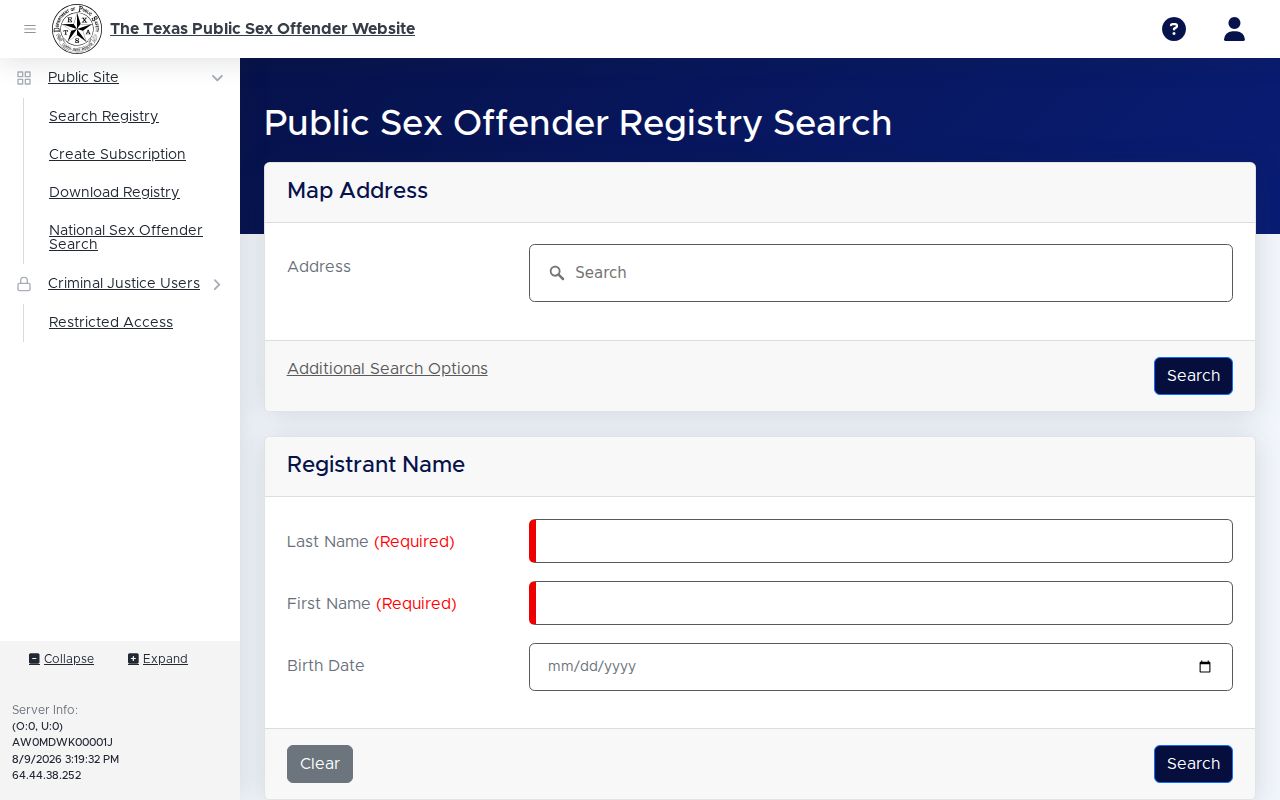
That interface is the correct starting point for a Williamson County name, place, or county search.
Williamson County Sex Offender Registration Roles
A local law-enforcement authority accepts and verifies required registration information, then transmits it to Texas DPS. DPS manages the public database. Questions about in-person verification belong with the proper local authority, while public profile display questions belong with DPS.
Williamson County registration-office details should be confirmed before any visit. The research supports calling the Williamson County Sheriff's Office at 512-943-1300, but it does not establish that all registration business occurs at the jail lobby or on a fixed public schedule. Ask for the registration unit, confirm the proper location, and verify the current process through the official county directory. If a city police department is the registering authority for an address, WCSO may route the caller back to that agency.
The sheriff's Public Records Center handles WCSO reports and open-record requests, which is a different function from reporting suspected registry noncompliance.
Note: A public profile may lag a verified change, so report a suspected error through the listed registration authority rather than confronting anyone.
How to Search the Texas Public Sex Offender Registry
Open the DPS registry and read its public-use notice before entering criteria. A broad Williamson County search is useful for community awareness, while a name search is better when the identity is already known. Address and radius tools answer a different question: which public listings fall around a location. Overly narrow criteria can hide a valid match, so add middle names, city, or ZIP only after reviewing the first set of results.
- Open the Texas DPS registry, acknowledge any notice or captcha shown, and choose the name, county, or address/map route.
- Select Williamson County for a county list, or enter a surname. Use a city or ZIP code only when it helps distinguish results.
- Compare the photograph, aliases, age or birth data, and physical description. Do not identify a person from the name alone.
- Open the profile and read the offense, conviction date, registration agency, duty, risk information, and compliance status together.
| Field | Type | When Used | Format Notes |
|---|---|---|---|
| Search type | Tabs or links | Required | Name, address/map, institute, or other offered list |
| Last and first name | Text | Name route | Surname starts the search; first name narrows it |
| Middle name | Text | Optional | May exclude an alias if entered too soon |
| County and city | Select or text | Optional | Select Williamson or use the incorporated city spelling |
| ZIP code | Text | Optional | Use a five-digit location filter |
| Address and radius | Text and select | Map route | Use only the radius choices currently shown by DPS |
The search and clear controls may appear with an acknowledgement or captcha. Interface choices can change, so use the labels currently shown on the Williamson County registry route rather than relying on an old screenshot.
Williamson County Registry Search Routes
A name search and a radius search should not be treated as substitutes. Name fields help locate a known person, including profiles tied to an alias. The map route starts from a place and shows public records within the selected radius. That makes it better suited to checking an area around a home, park, school route, or family destination. Neither route proves that an address is current beyond what the profile reports.
Use several profile facts to resolve a Williamson County name match. For a map search, test a slightly wider area when the point sits close to a city or county line. A result outside Williamson County may still be close to the address. Conversely, no nearby result is not a safety guarantee. The registry includes only people and data that Chapter 62 makes public, and no database can list every person who may pose a risk.
The Texas DPS registry FAQ explains the agency's administration of the program and the limits of public information.
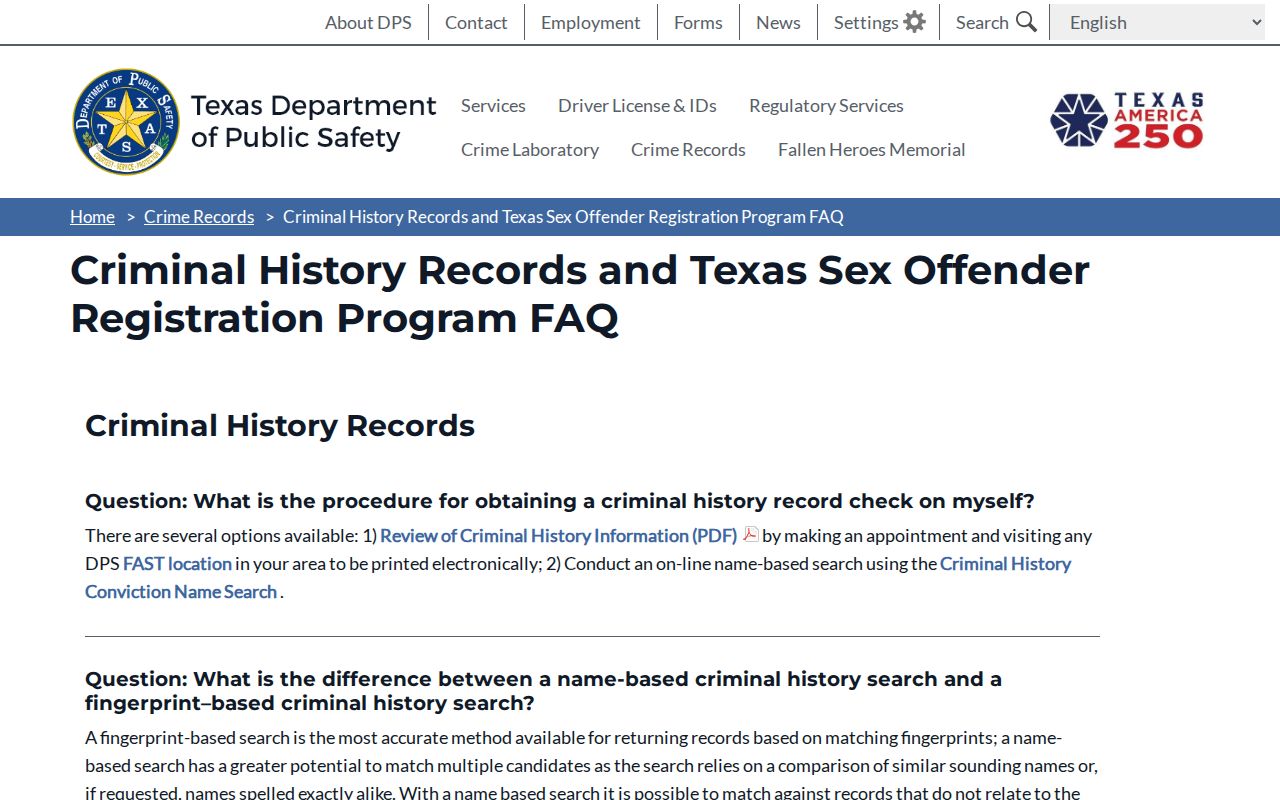
The agency guidance is the best place to confirm how a Williamson County search is meant to be read.
Inside a Registry Profile
A profile combines identity, location, registration, and offense fields. Not every record exposes every possible field. A blank field does not establish that the fact does not exist, and a map marker should not be used as a substitute for the written address and status. Read the conviction or adjudication date with the offense description. Then check the listed registration agency and compliance information for context.
| Name and aliases | The registered name plus other names transmitted for public display. |
|---|---|
| Photo and description | A recent photograph when supplied, along with age or birth data, height, weight, hair, eyes, and other identifying marks. |
| Address and activity | The published residence plus school, work, vehicle, or map details when the statute and record expose them. |
| Offense record | Offense description, statute, conviction or adjudication date, and authorized victim age or sex category. |
| Registration details | Status, registration type or duration, supervising or registration agency, and risk level when one is assigned. |
| Verification status | Compliance or verification information supplied through the registering authority. |
Physical identifiers can include scars, marks, and tattoos. Those details can help avoid a same-name mistake. They should not be used to infer facts that the profile does not state. Most of all, a registry entry describes a legal duty arising from a past case. It does not announce a fresh accusation.
Williamson County Registry Searches Across States
The National Sex Offender Public Website, operated by the U.S. Department of Justice, adds a cross-state layer. It is useful when a name, trip, family connection, or recent move reaches beyond Texas. NSOPW queries participating jurisdictions, while the Texas registry remains the direct source for a Williamson County profile and Texas-specific registration details.
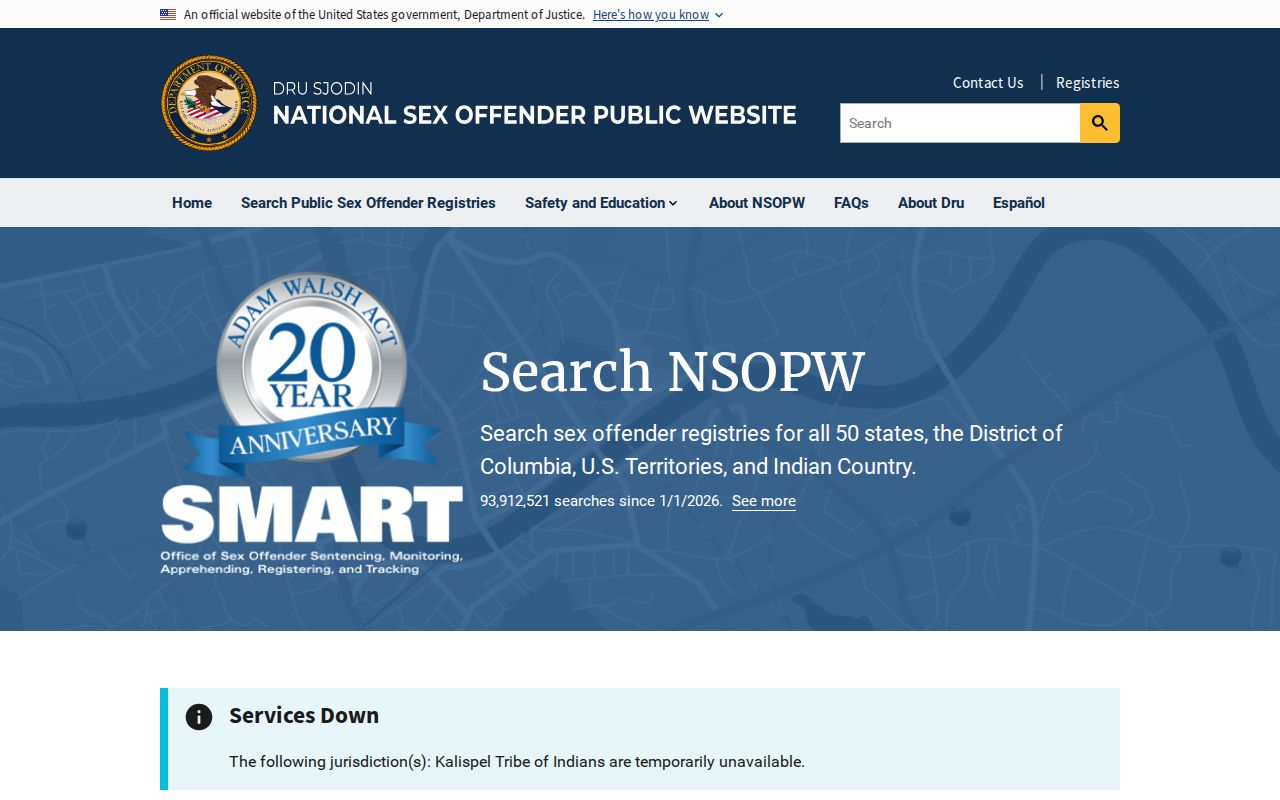
The national gateway broadens the geographic sweep, but the Texas profile still supplies the state record that must be read closely.
When the two channels seem different, compare the update dates and identifiers rather than assuming one record is false. Then contact the registration agency shown on the Texas profile or DPS. A move can affect which jurisdiction publishes a record. Cross-state searches also depend on the public data each participating jurisdiction makes available, so display details will not always match field for field.
Texas Registration Levels and Requirements
Texas does not reduce its public registry to federal Tier I, II, and III labels. Registration duration is offense-based under Code of Criminal Procedure Chapter 62. Many duties last for ten years after the statutory start point, while listed serious or repeat circumstances can require lifetime registration. Juvenile adjudications and court-ordered assessments can follow different rules.
| Texas Concept | Duration or Effect | How to Read It |
|---|---|---|
| Ten-year duty | Statutory period after release or the end of supervision | Confirm the offense, start event, and any tolling |
| Lifetime duty | Continues for life unless lawful relief changes it | Applies to listed serious offenses or repeat circumstances |
| Civil commitment or high-risk status | Separate public-safety status | Do not equate it with a federal tier label |
| Low, moderate, or high risk | May affect notification | Does not by itself calculate registration duration |
Verification frequency also turns on the actual statutory category and record, not merely a color, icon, or risk word shown online. For a Williamson County profile, use the offense description and registration type as the starting points. Contact the registration authority or qualified counsel for a legal determination about a specific duty.
The official Chapter 62 text sets the registration, verification, notification, and database framework.
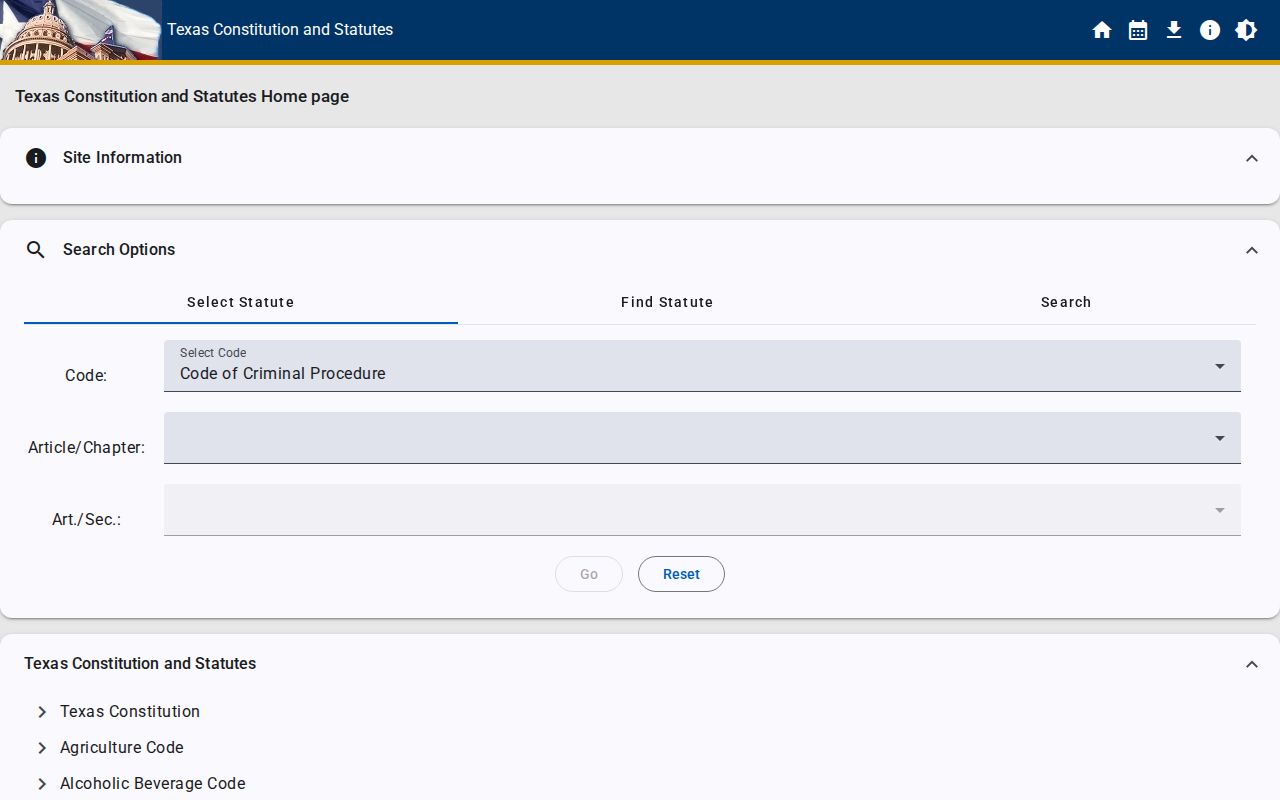
The statute shows why a Williamson County duty must be tied to the reportable offense rather than a borrowed federal tier chart.
Outdated Williamson County Registry Records
If an address, photograph, or status appears wrong, first confirm that the profile belongs to the right person. Save the profile details and note which field seems stale. Then report the concern to the registration law-enforcement authority named on the record or to Texas DPS. Call WCSO at 512-943-1300 when the profile points to a Williamson County registration role and ask for the proper unit. Use 911 only for an emergency.
Do not visit the listed home, confront the person, or post vigilante claims. A mismatch can reflect a move, update timing, an alias, or a misunderstood status. The proper agency can compare the public entry with its current Williamson County record.
Note: Report a suspected compliance issue with the profile identifiers and observed facts, not conclusions about conduct that the registry does not show.
Williamson County Registry Awareness Limits
Registry information is designed for lawful public-safety awareness. A household can use it to learn which public entries appear near an address, plan age-appropriate family safety talks, and confirm information through the registering agency. Community notification may reflect the registrant's legal category and risk assessment, but risk level does not replace the offense-based duration rules.
A Williamson County list cannot present a complete picture of safety. It excludes people with no registration duty and may lag an update. No result is a promise that an area or person is safe.
Community Notification and Lawful Use
Use a Williamson County registry record to understand the public facts that Texas law permits DPS to publish. Confirm identity through several descriptors. Read the offense and dates without adding claims. If the concern is possible noncompliance, send the facts to the named registration authority. If the concern is immediate danger, call 911.
Harassment and retaliation do not improve public safety. They can hinder official verification and put households at risk. Do not threaten, intimidate, trespass, or misuse an address, photo, or other profile detail. Chapter 62 governs the public database and the duties tied to it, while other Texas criminal laws apply to threats and unlawful conduct.
Use registry data lawfully: Misusing registry information to threaten, harass, or intimidate a registrant or household is a crime under Texas law. Chapter 62 governs the registry; report concerns to law enforcement.